Overview of Indian Diet
- India is undergoing rapid nutritional transition, resulting in excess consumption of calories, saturated fats, trans fats, simple sugars, salt, and low intake of fiber. Such dietary transition and a sedentary lifestyle have led to an increase in obesity, diabetes, metabolic syndrome, and cardiovascular disease (CVD).
- Diet is a difficult risk factor to compare among populations, because of considerable variation within and between South Asian countries. In general, the average Indian diet tends to be high in carbohydrates, saturated fat, trans fat (mostly related to the widespread use of vanaspati), and low in protein, cholesterol, monounsaturated fat (MUFA), and polyunsaturated fat (n-3 PUFA), and fiber.
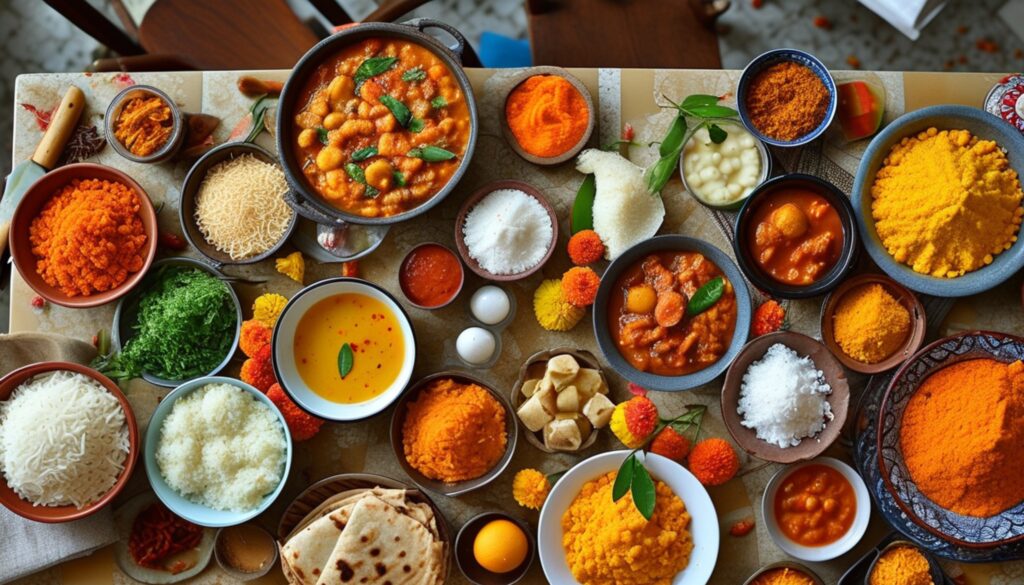
- Beef consumption is negligible and the portion size of meat is 50g as opposed to 100g in western countries. The frequency of consumption of meat is also low─ a few times a month. High fat beef is not available. Furthermore, beef is not consumed by more than 90% of the Indians due to religious practices. The cow is considered a sacred animal by certain religions.
- Cultural differences likely pose barriers to lower CVD risk in a number of areas. Traditional cuisine might not include a lot of fruits and vegetables in some regions, whereas overcooking and frying practices can lead to reduced nutrient levels in vegetables.
- The recently published consensus dietary guidelines calls for a reduction in the intake of carbohydrates, preferential intake of complex carbohydrates and low glycemic index foods, higher intake of fiber, lower intake of saturated fats, reduction in trans fats, slightly higher protein intake, lower intake of salt, and restricted intake of sugar than was previously recommended.
PERCENTAGE OF HEALTHY AND UNHEALTHY INDIAN DIET
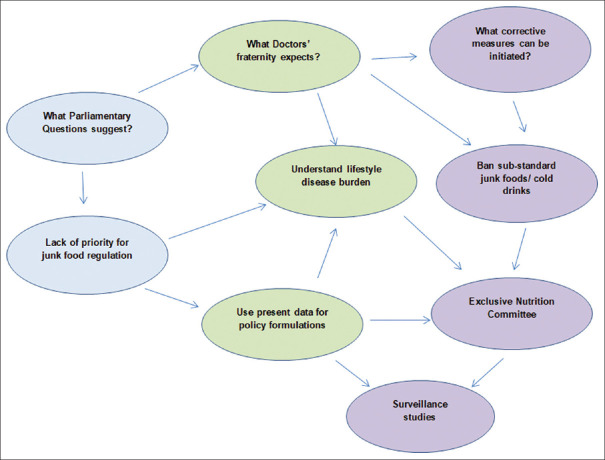
A total of 424 questions (0.08%) were asked collectively on junk foods including soft drinks in both the houses of which 160 questions (0.03%) were exclusively on junk food and 264 questions (0.05%) were on soft drinks respectively. Out of a total of 28,240 questions asked on all topics across both houses to the MOHFW, a total of 166 questions (0.6 %) were on junk food and soft drinks. Only 84 unique parliamentarians from 21 states have raised their voices on the present topic of concern.
The past few decades have seen substantial change in the food consumption patterns of the Indian population. The term “junk food” refers to a food that lacks micronutrients like vitamins, minerals, fibers, or amino acids but has high numbers of calories.[1] The National Health and Nutrition Examination Survey (NHANES 2003–2006) reported that the total daily energy intake has increased up to 13% in children and adolescents due to junk food intake.[2] Unhealthy foods pose as a serious risk factor in the development of obesity and associated chronic diseases like diabetes, dementia, mental illness, and cancer. According to the World Health Organization (WHO)-Global Burden of Disease, in 2019, a diet high in trans-saturated fatty acids was responsible for 14.2 million disability adjusted life years (DALYs) and 645,000 deaths. In the same year, a diet high in sugar-sweetened beverages was responsible for 6.31 million DALYs and 242,000 deaths. Diet high in trans-saturated fats is the seventh leading dietary risk factor, and sugar-sweetened beverages are the 13th-leading risk factor for attributable DALYs
Despite India’s rich agricultural heritage, many essential food groups remain underconsumed, leading to widespread nutritional deficiencies.
- Pulses and Legumes: These are vital sources of protein, fiber, and essential nutrients, yet the daily intake of pulses among Indians is far below recommended levels.
- Fruits and Vegetables: Most Indians do not meet the daily recommended intake of fruits and vegetables. These food groups provide essential vitamins, minerals, and antioxidants that support immune function, heart health, and digestion.
- Whole Grains: A diet rich in whole grains, such as millets, brown rice, and whole wheat, is essential for fiber intake and long-term satiety. However, refined grains like white rice and processed wheat products dominate many meals, contributing to higher blood sugar levels and increased health risks
Protein is an essential macronutrient required for muscle repair, hormone production, and overall bodily functions. However, many Indians do not consume sufficient protein, leading to muscle loss, fatigue, and weakened immunity.
To address this gap, nutritionists recommend including protein-rich foods like sprouts, eggs, dairy products, nuts, and seeds. Vegetarian diets, while healthy, may lack sufficient Vitamin B12, which is primarily found in animal-based foods. Hence, fortified foods or supplements may be necessary for vegetarians to meet their nutritional needs.
What is wrong with the Indian diet?
In recent years, dietary patterns in India have shifted significantly, leading to an increase in health-related issues. Experts from the All India Institute of Medical Sciences (AIIMS) have expressed concern over the growing consumption of unhealthy foods among Indians, linking it to a rise in non-communicable diseases, obesity, and other lifestyle-related health conditions. This article explores the insights provided by AIIMS doctors, the health implications of poor dietary choices, and recommendations for improving nutrition.
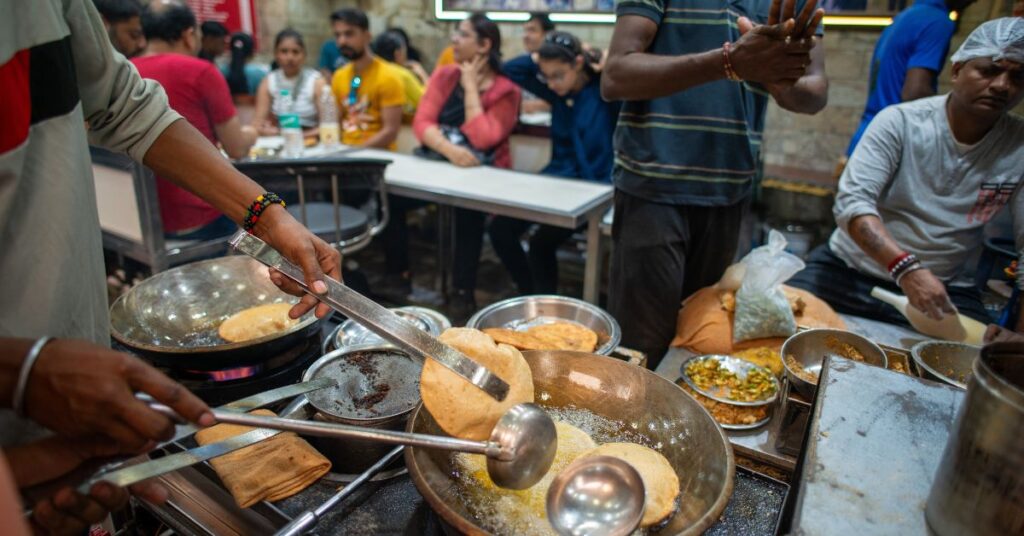
Fats are an essential part of the diet, but consuming them in excess can lead to weight gain and cardiovascular diseases. AIIMS experts advise limiting fat intake to 30% of total daily calories, with a focus on healthy fats such as those found in nuts, seeds, and olive oil.
The overuse of refined oils, trans fats, and deep-fried foods in Indian diets contributes significantly to rising cholesterol levels and heart disease risks. Being mindful of the type and amount of fat consumed is crucial for maintaining overall health.
DEFICIENCY OF PROTIEN IN INDIAN FOOD
The Reality of Protein Deficiency in India
Recent studies highlight a concerning trend: a significant percentage of Indians are not consuming enough protein. According to a report by the Indian Market Research Bureau (IMRB), approximately 73% of urban Indians are protein deficient, with 93% being unaware of their daily protein requirements. This lack of awareness contributes to widespread nutritional gaps that can have serious health consequences.
The situation is even more dire in rural areas, where protein intake is often lower due to limited access to diverse food sources. The National Nutrition Monitoring Board’s 2021 report revealed that urban households consumed only 90% of the Recommended Dietary Allowance (RDA) for protein, while rural households consumed just 83%. These statistics underscore the urgent need to address protein deficiency across the country.