WHAT IS FAT?
Body fat, or adipose tissue, is a complex organ. It contains fat cells, nerves, immune cells, and connective tissue. Its main job is to store and release energy, depending on the body’s needs, says Susan K. Fried, PhD, a professor at the Icahn School of Medicine at Mount Sinai.
Fat responds to signals like the hormone insulin, which tells adipose tissue to store fat. “There are also nerves that go from your brain to your fat and say, ‘Hey, we don’t have enough energy here. Can you liberate some fat because other cells in the body need it?’ ” Fried says.
Fat tissue is also a major maker of hormones, chemical messengers that communicate with tissues and organs throughout the body. “It’s a classic endocrine organ, the biggest one in the body,” Fried says.

Visceral fat:
Fat stored deep in the belly and around organs has a major impact on the liver, an organ critical to metabolism. It’s also linked to diseases like cardiovascular disease, cancer, asthma, and dementia. Blood that leaves visceral fat goes directly to the liver and brings with it anything made by the fat tissue, including fatty acids, hormones, and pro-inflammatory chemicals. We build up more visceral fat with age. Fat storage shifts from the lower body to the belly, especially in women.
Subcutaneous fat:
The fat just under the skin is the most plentiful in the body. This type of fat acts differently depending on where it’s located, according to Fried. Subcutaneous belly fat makes more fatty acids, which can increase insulin resistance and the risk of metabolic disease. Subcutaneous fat in the lower body, on the other hand, takes up and stores fat efficiently. It’s considered protective against disease.
HOW TO AVOID IT
Low-calorie diets will help you lose weight and reduce body fat.[1] Monitor how many calories you eat daily and reduce this number by around 500 calories each day. This will yield a 1 – 2 pound weight loss per week.[2] Count how many calories you're currently consuming. You can use a food journal, app, or online calculator to help you do this accurately. Cut out about 500 calories from this number. Your end result should be what you aim for daily for slow and safe body fat loss. Do not try to follow a very low-calorie diet or consume less than 1,200 calories daily. When you're calories are too low, you may stop losing



EFFECTIVE WAYS TO BURN FAT
Getting regular exercise, making dietary changes, and sleeping for at least 7 hours each night may help lower body fat percentage and promote long-term fat loss.
Losing body fat can feel challenging, often requiring hard work, patience, and dedication.
Although many fad diets and fat-burning supplements promise quick results, the most effective ways of promoting long-term fat loss include modifying your diet, lifestyle, and exercise routine.
Here are 5 of the best ways to increase fat loss.
STENGHT TRAINING
Strength training is a type of exercise in which your muscles contract against resistance. It helps build muscle mass and increases strength over time, and it usually involves lifting weights.
A 2021 review of 58 studies found that resistance training for at least 4 weeks may help decrease body fat by an average of 1.46%.
It may also greatly reduce body fat percentage and visceral fat, a type of fat that surrounds the organs in your belly. Experts consider visceral fat dangerous because it’s linked to an increased risk of health conditions like diabetes and heart disease.
The Physical Activity Guidelines for AmericansTrusted Source recommend doing at least two sessions of strength training weekly and at least 150 minutes of moderate intensity aerobic exercise.
Consider doing bodyweight exercises, lifting weights, and using gym equipment to start strength training.
Follow a high protein diet
Eating more protein-rich foods may benefit overall fat loss and body fat percentage in several ways, including:
- preserving fat-free mass
- promoting feelings of fullness
- reducing appetite throughout the day
- increasing resting metabolism
- increasing thermogenesis of food (protein requires more calories to digest than carbs and fats)
- improving energy expenditure
The Dietary Guidelines for AmericansTrusted Source recommend that adults get 10% to 35% of their daily calories from protein. Based on a 2,000-calorie diet, this may range from 50 to 175 grams (g) of protein.
Eating a higher protein ratio or staying at the upper end of this range is linked to greater weight loss than consuming the minimum protein requirement.
Get more sleep
Improving the duration and quality of your sleep may help you reach your weight loss goals.
Research indicates that a lack of sleep may contribute to fat mass and overall weight gain in several ways, such as:
- altering hunger hormones
- increasing appetite and cravings
- increasing snacking behaviors
A 2023 review also found that getting 6 hours or less of sleep was linked to greater visceral fat levels.
Eat more healthy fats
A 2023 review found that a Mediterranean diet rich in healthy fats from olive oil, fish, and nuts relates to greater long-term weight loss and a lower body mass index (BMI) than other types of diets.
Other dietary aspects of this diet that affect body weight include minimally processed whole foods and fruits and vegetables.
A 2022 study in people with high cholesterol also found that eating unsaturated fats was linked to:
- lower body fat percentage
- improved body composition
- small increases in lean muscle mass
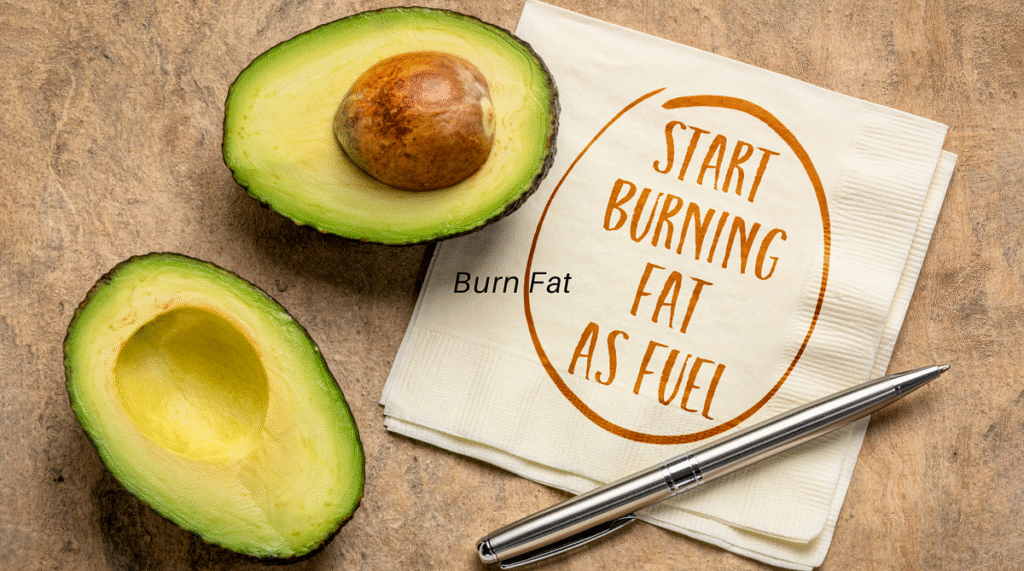
Olive oil, avocados, nuts, and seeds are some examples of foods that contain healthy fats.
Remember, unsaturated fat is still high in calories, so it’s important to moderate your intake. Instead of eating more fat overall, try swapping fried foods, processed ingredients, and refined oils for unsaturated varieties.
Fill up on fiber
Fiber may play a key role in lowering body fat percentage and preventing weight gain.
For instance, soluble fiber absorbs water and moves through your digestive tract slowly, helping youTrusted Source feel full for longer.
A 2020 review found that increasing soluble fiber intake significantly decreased body weight and belly fat, independent of calorie intake.
The Dietary Guidelines for AmericansTrusted Source
recommends consuming 28 g of fiber for adult females and 34 g for adult males.
Some high fiber foods may include include fruits, vegetables, legumes, whole grains, nuts, and seeds.